
Long Island New York
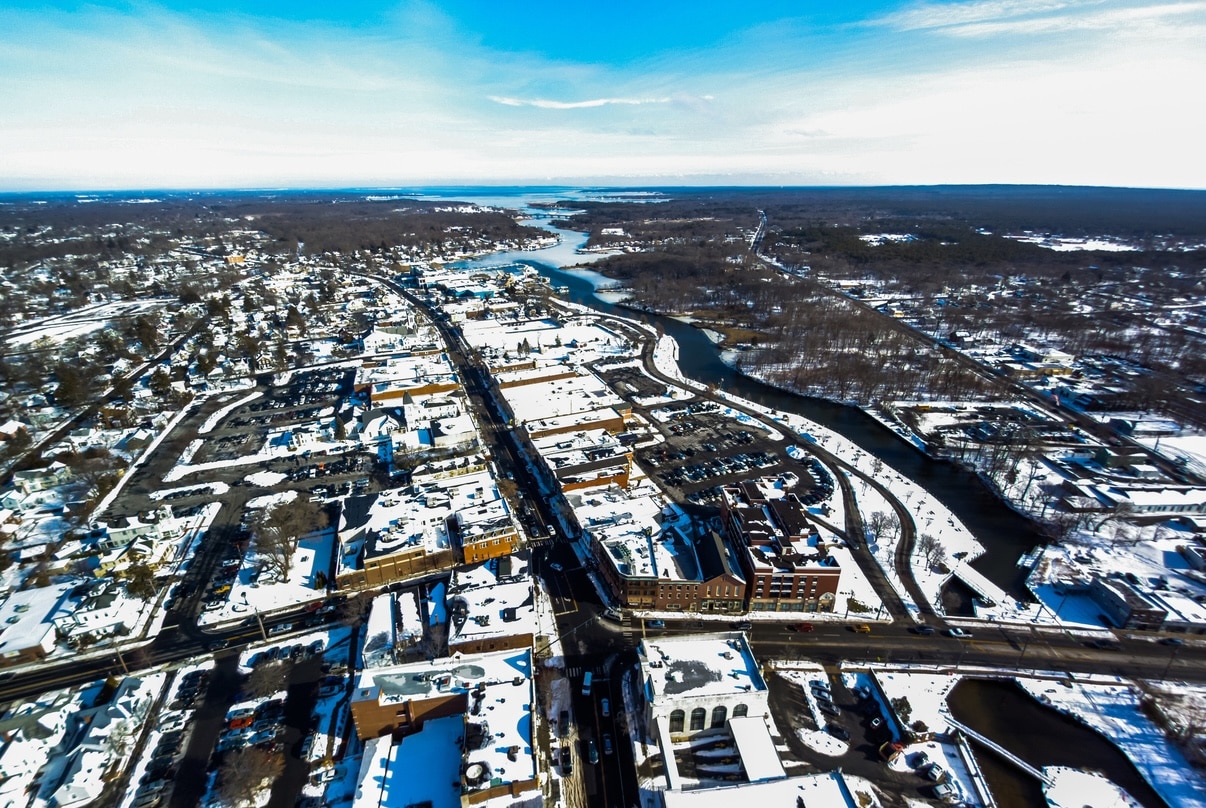
This winter has been colder and snowier than what we’ve seen in recent years. We’ve had multiple storms, sustained freezing temperatures, and frequent freeze-thaw cycles that turn ordinary roads into unpredictable hazards overnight. Roads that look merely wet can quickly become sheets of ice, especially after sunset.
For families with new drivers, this season presents challenges that many teens simply haven’t encountered before. And on Long Island, where traffic is dense and parkways move fast, winter mistakes can have serious consequences.
Long Island experienced several relatively mild winters leading up to this season. Many teens earned their licenses during that period, which means they may have limited experience with:
Winter driving is a learned skill. It takes time to understand how a vehicle responds when traction is reduced. This year, those lessons are arriving all at once.
From a legal perspective, lack of winter driving experience is a common factor in many car accident cases involving young drivers. Teens may follow too closely, brake too hard, or fail to anticipate how long it takes to stop on icy pavement.
Essential Winter Driving Rules
Lower speeds preserve traction and increase reaction time on icy roads
Leave 8-10 seconds between vehicles in snow or ice
Gradual steering, braking, and acceleration prevents losing traction
Can apply power when tires don’t have grip—always manual control
Press firmly and hold; pulsing is normal. No ABS? Pump the brakes
Clear all windows, check tire pressure, use winter washer fluid
Long Island Winter Danger Zones
If You Hit Ice – Do This
Winter Accident Statistics
Winter weather is NOT an excuse for negligent driving.
Under New York law, drivers must adjust to conditions. If your teen causes an accident due to speeding, following too closely, or reckless driving in snow or ice, both they AND you (as the parent who signed their permit) can face lawsuits for negligence.
Long Island has its own driving challenges even in perfect weather.
Major roadways like the Long Island Expressway (LIE), Northern State Parkway, Southern State Parkway, Meadowbrook Parkway, Wantagh Parkway, Sunrise Highway, and Sagtikos Parkway are high-speed corridors with heavy traffic and frequent lane changes. Add snow, ice, and deteriorating pavement, and the margin for error shrinks quickly.
Cold weather accelerates road damage. Water seeps into cracks, freezes, expands, and breaks apart asphalt. Plows and salt add stress to already aging infrastructure. The result is uneven surfaces and potholes that can appear overnight.
I regularly see accidents where drivers lose control after hitting rough pavement or swerving to avoid potholes. Teen drivers are still developing hazard awareness, which makes these sudden changes especially dangerous.
Families on the North Shore face additional winter challenges.
Communities across Suffolk County like Huntington, Cold Spring Harbor, Northport, Port Jefferson, Stony Brook, and Miller Place — along with Nassau County North Shore towns such as Oyster Bay, Locust Valley, Glen Cove, Sea Cliff, Port Washington, and Roslyn — share many of the same winter driving hazards:
Downhill approaches and shaded intersections in these neighborhoods are common locations for winter crashes. Roads may look wet but offer very little traction, especially after sunset or during early morning hours.
These conditions require experience and restraint — two things new drivers are still developing.
One of the most dangerous Long Island winter patterns happens quietly.
Snow melts during the day. Water runs across roadways. Then temperatures drop after sunset and everything refreezes.
Suddenly, bridges, on-ramps, intersections, and shaded areas are coated in nearly invisible ice.
Many accidents I investigate follow this exact sequence. Drivers think they’re on wet pavement. In reality, they’re driving on ice. Even cautious drivers can be caught off guard, but inexperienced drivers are particularly vulnerable.
Here’s what I recommend parents review with their teens—and why these habits matter legally as well as for safety:
Winter weather doesn’t eliminate a driver’s legal responsibility. Under New York law, drivers must operate their vehicles reasonably for the conditions. If your teen causes an accident because they were speeding, following too closely, or driving recklessly in snow or ice, they (and you, as the parent who signed their permit) can face a lawsuit for negligence. The presence of bad weather doesn’t excuse poor driving—it actually increases the duty of care required.
Slow Down Earlier Than Feels Necessary Lower speeds preserve traction and increase reaction time.
Increase Following Distance In snow or icy conditions, teens should leave 8–10 seconds between vehicles.
Be Smooth With Controls Sudden steering, braking, or acceleration breaks traction. Everything should be gradual.
Avoid Cruise Control in Winter Weather Cruise control can apply power when tires don’t have grip.
Understand ABS Braking If the vehicle has ABS, press firmly and hold the brake pedal. The pulsing is normal. If there is no ABS, pump the brakes to avoid wheel lock.
Prepare the Vehicle Every teen driver should know how to fully clear windows, mirrors, headlights, and taillights, check tire pressure, use winter-rated windshield washer fluid, and carry a basic emergency kit.
If your teen encounters ice, they should:
Overcorrecting often leads to spins. Small, controlled movements are safer.
If possible, parents should practice these concepts at very low speeds in an empty parking lot after light snowfall.
Many families find it helpful to establish guidelines such as:
Structure reduces pressure, and pressure leads to mistakes.
Winter driving confidence develops with experience — but it should happen gradually and safely.
How dangerous is black ice on Long Island roads? Black ice is especially dangerous because it’s nearly invisible. It commonly forms on bridges, parkway ramps, shaded intersections, and areas where snowmelt refreezes overnight.
What should teen drivers do if they start sliding on ice? They should stay calm, ease off the gas, avoid slamming the brakes, and steer gently in the direction they want the car to go.
When do most winter car accidents happen on Long Island? Many winter accidents occur during early morning and evening hours, particularly after daytime melting followed by overnight freezing.
If you’re looking for guidance from a local Long Island car accident attorney, you can learn more about how we help injured drivers here:
https://palermolawyers.com/long-island-ny/car-accident-attorney/
Steven Palermo, Esq. is the managing partner of Palermo Law and has more than 25 years of experience representing injury victims across Nassau and Suffolk Counties. He focuses his practice on serious motor vehicle accidents and complex personal injury claims.
Steven has been recognized multiple times as Best Personal Injury Lawyer by Bethpage Best of Long Island, holds a Superb rating from Avvo, and is a member of the New York State Trial Lawyers Association. Under his leadership, Palermo Law has recovered over $75 million for injured clients.
Disclaimer: This article is for general educational purposes only and does not constitute legal advice. Every accident and insurance claim is different.

