


Carle Place
Serving Garden City, Westbury, East Meadow, and Uniondale



Proven Trial & Settlement Results
Millions Recovered Including a 5.5M Trial Verdict and a 3.2M Settlement


Nine Offices Across Long Island
Experienced legal help is always close to home when you need it most


an AWARD-WINNING law firm
We were voted best law firm on Long Island five times


100% PLAINTIFF FOCUSED — NEVER INSURANCE COMPANIES
We fight exclusively for injured people, delivering real results for members of our community.
If you were hurt in a car accident in Nassau County, you already know how fast it gets complicated. The treatment, the missed work, the adjuster who keeps calling — it stacks up while you’re still trying to recover. Our Long Island car accident lawyers step in and take that on, so the focus stays where it belongs: on you getting better.
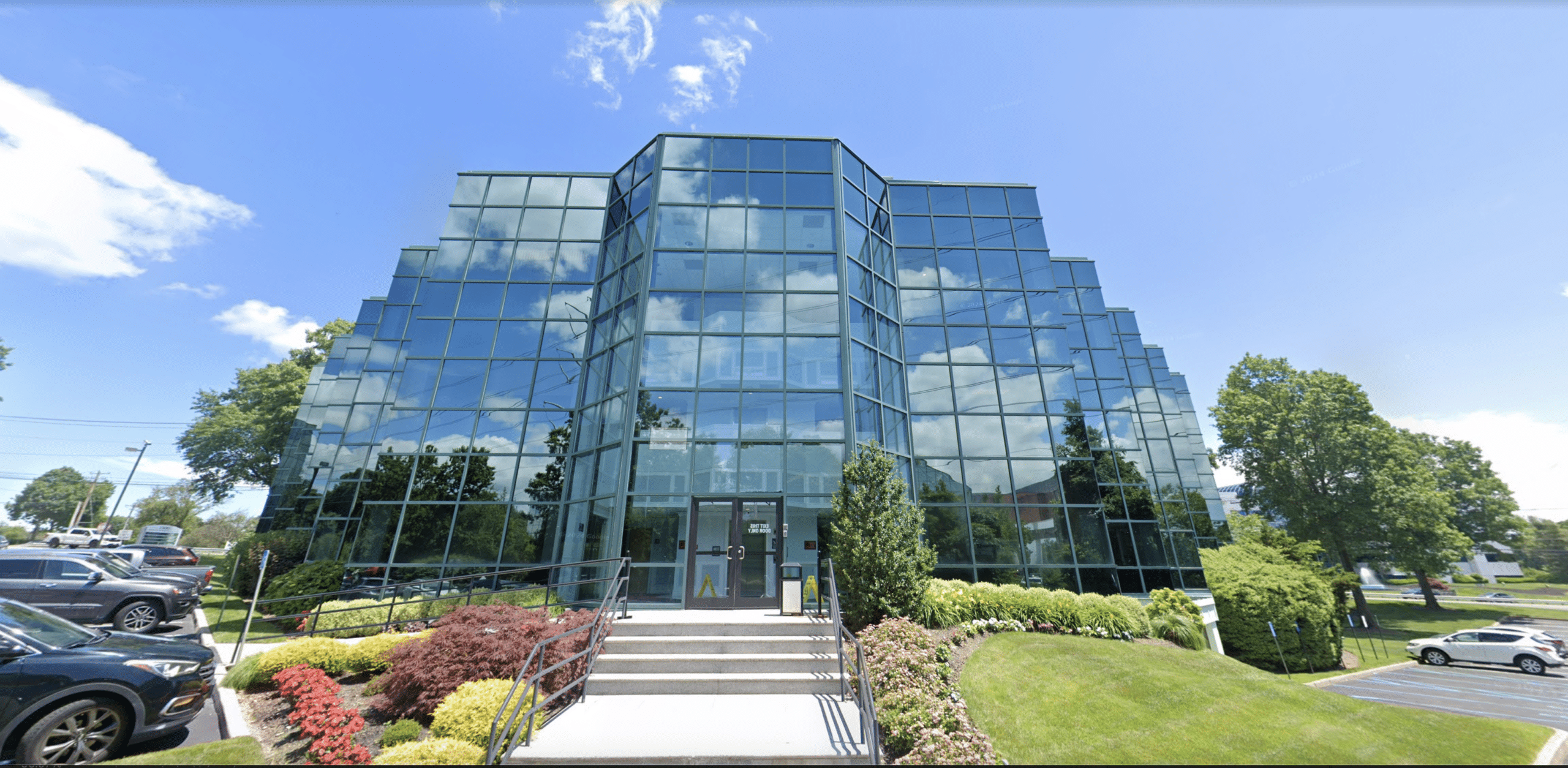
We’re a Long Island personal injury firm with three Nassau County offices — in Elmont, Mineola, and Carle Place — putting us minutes from the roads these crashes happen on and from the Nassau County Supreme Court in Mineola, where these cases are tried.
We’ve recovered over $75 million for injured clients, bring more than 25 years of personal injury experience to every case, and have earned over 450 five-star Google reviews. Consultations are free, and there’s no fee unless we recover money for you.

Nassau is dense, suburban, and built around a handful of overloaded corridors. Knowing the road a crash happened on often tells us a lot about how it happened and who’s responsible — and the crash data tends to back that up.
A few of the roads we see again and again:
Sixteen miles straight across the middle of the county, through Elmont, Franklin Square, Hempstead, Uniondale, East Meadow, and Levittown. The Tri-State Transportation Campaign has repeatedly ranked it the most dangerous road for pedestrians in the entire metropolitan region. Wide lanes, far-apart crosswalks, and traffic that routinely runs well over the posted limit make it a constant source of serious car, pedestrian, and turning-movement crashes.
High-speed, high-volume, and the site of a steady stream of rear-end chains, lane-change sideswipes, and single-vehicle wrecks. One thing many people don’t realize: parkway crashes fall under New York State Police jurisdiction, not the Nassau County PD, which changes how the report is filed and where you get it.
Western Nassau in particular sees frequent high-speed collisions where merging and stop-and-go traffic collide.
The stretches through Mineola and New Hyde Park are notorious, and intersection-heavy areas like Old Country Road near Roosevelt Field draw heavy traffic and pedestrian movement that produce T-bone and left-turn crashes.
If your crash happened at a spot with a documented history of collisions, that pattern can become part of your case.
How a crash happened shapes everything that follows — who’s at fault, what injuries are likely, and how the claim gets built. We handle all of them.
The most common crash on Nassau’s congested roads and parkways. In nearly every case, the driver who hits from behind was following too closely, and New York law generally presumes that driver at fault.
Common where Nassau’s busy turnpikes meet cross streets. Side-impact crashes cause severe injuries because there’s so little between the occupant and the other vehicle, and they usually turn on who had the right of way and who ran the light.
A driver turns across oncoming traffic and fails to yield. These produce hard side impacts and frequently come down to timing and right-of-way.
Texting and phone use behind the wheel. Proving them often means pulling phone records and other evidence of what the driver was actually doing.
Severe and entirely preventable. Beyond the driver’s own insurance, New York’s Dram Shop Act can open a claim against a bar or restaurant that kept serving a visibly intoxicated driver.
A particular danger on corridors like Hempstead Turnpike. Even when the person on foot did everything right, a speeding or distracted driver can cause catastrophic harm to a pedestrian or cyclist.
When the at-fault driver flees or has no coverage, your own uninsured/underinsured motorist (UM/SUM) coverage often becomes the path to recovery.
We also handle multi-vehicle pileups, truck accidents, rideshare crashes involving Uber and Lyft, and cases where fault is disputed.
There’s no flat number — value depends on the evidence behind each category of loss. A serious case generally accounts for:
| Economic Damages | Non-Economic Damages |
|---|---|
| Medical bills, past and future | Pain and suffering |
| Lost wages | Loss of enjoyment of life |
| Reduced earning capacity | The lasting effect of an injury on how you live and work |
| Out-of-pocket costs |
Two New York rules shape the outcome. First, to recover for pain and suffering at all, your injuries have to clear the state’s “serious injury” threshold (Insurance Law §5102(d)) — which is exactly why documenting the full extent of your injuries matters so much. Second, New York follows pure comparative negligence (CPLR §1411): even if you were partly at fault, you can still recover, with your award reduced by your share of the blame. Insurers lean hard on that second rule to shift responsibility onto you, and pushing back on it is a core part of the job.
New York is a no-fault state. After a crash, your own insurer — not the at-fault driver’s — pays your initial medical bills and a portion of your lost wages, no matter who caused it, under the state’s no-fault (PIP) coverage.
But no-fault has hard limits. It doesn’t pay for pain and suffering, and it caps what it covers. To go after the at-fault driver directly for those losses, you have to meet the serious injury threshold above. We handle all of your no-fault paperwork at no charge and make sure it lines up with the larger strategy of your case.
If police responded, the report (form MV-104A) becomes a key document. For most Nassau roads it’s filed by the Nassau County Police Department; for the parkways it’s filed by the New York State Police. You can get a copy a few ways: download it through the LexisNexis crash-report portal, order it from the NYS DMV online (with a small search and copy fee), or pick it up in person at Nassau County Police Department Headquarters, 1490 Franklin Avenue in Mineola.
If police did not respond, the responsibility shifts to you: New York requires every driver in a crash involving injury, death, or more than $1,000 in property damage to file their own report (form MV-104) with the DMV within 10 days. Don’t sit on it — and if you’re not sure how to handle it, that’s something we take care of for clients.
Miss the wrong deadline and a strong claim can disappear before it starts.
Vehicles get repaired, surveillance footage gets overwritten, and witnesses get harder to find. Acting early protects both your deadline and your proof.

The insurer’s goal is to pay as little as possible, and they’re good at it. Expect a fast call, maybe an early settlement offer floated before you even know how hurt you are, and a request for a recorded statement.
That recorded statement is one of their most effective tools. An adjuster walks you through what happened days after the crash, the conversation feels routine, and then your own words get used to minimize your injuries or pin blame on you. You are not required to give one before speaking with a lawyer. Once we’re involved, those communications run through us — and the claim starts getting treated seriously.
Even a low-speed crash can cause lasting harm. The injuries we see most:
We work directly with your medical providers to document your injuries and show how they’ve affected your daily life. That record is usually what proves the case.
When someone comes to us after a car accident, they usually want three things. They want to recover as much as possible, they want the process to be manageable, and they want their case handled without unnecessary delay.
That is exactly how we approach every case.
| 1 |
Maximize Your RecoveryWe build strong cases from day one. That means gathering all relevant evidence, working closely with your medical providers to understand the extent of your injuries, and making sure all of your damages are fully documented. Our goal is to put you in the best position to recover everything the law allows. |
| 2 |
Minimize Your StressYou should be focused on getting better, not dealing with insurance adjusters and paperwork. Once we are involved, we handle the communication, insurance forms, and the legal claims process so you don’t have to. |
| 3 |
Move Your Case ForwardWe do not let cases sit waiting for adjusters to call us. Delays can hurt your claim and your recovery. We stay proactive and keep your case moving at every stage minimizing the time it takes to resolve your case. |
Our Nassau County Offices
Serving Garden City, Westbury, East Meadow, and Uniondale
Serving Valley Stream, Floral Park, Franklin Square, Bellerose, and Jamaica
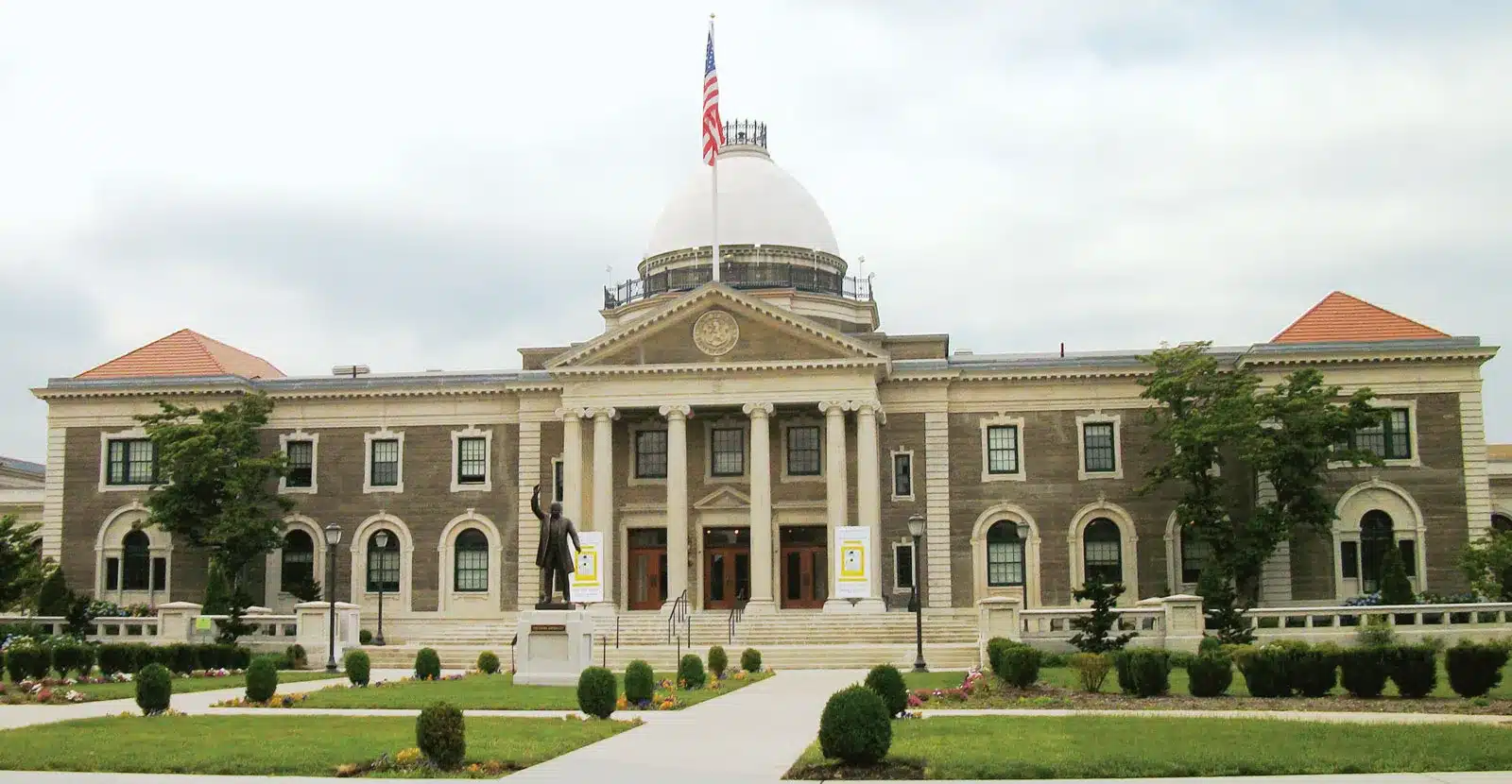 Serving
Serving Williston Park, New Hyde Park, Herricks, and Albertson
5-Time Winner
Voted Best Law Firm on Long Island by readers of BestOfLongIsland.com, presented by Four Leaf — recognition the firm has earned five times over from the community it serves.

Rear-end collisions are the most common type of crash in Nassau County, especially in stop-and-go traffic on busy arterials and at signalized intersections. In nearly all cases, the driver in the rear is responsible for following too closely and failing to leave enough room to stop.
Rear-end cases turn on point of impact and following distance. We document vehicle damage, pull dashcam and traffic footage, and use the police report to establish that the rear driver failed to maintain a safe distance.
Rear-end crashes concentrate in congested stop-and-go traffic on Nassau County’s major arterials and parkway approaches.
When a driver flees the scene, the injured person is left without an obvious source of compensation. New York law requires drivers to stop and exchange information, and leaving the scene of an injury accident is a crime. Even when the at-fault driver is never identified, recovery may still be available.
We move quickly to pull surveillance and traffic camera footage, gather witness descriptions, and document debris and paint transfer. When the driver cannot be found, we pursue your own uninsured motorist coverage to secure compensation.
Hit-and-run crashes occur most often on busy commercial corridors and at night near nightlife districts.
Left-turn accidents happen when a driver turns across oncoming traffic and fails to yield the right of way. These crashes frequently produce serious side-impact and head-on collisions, and the turning driver is most often at fault under New York’s right-of-way rules.
We use intersection camera footage, signal timing records, point-of-impact analysis, and witness statements to establish who had the right of way and show the turning driver failed to yield.
Left-turn crashes occur at busy signalized and uncontrolled intersections along Nassau County’s major arterials.
Sideswipe collisions usually occur during lane changes or merging, when a driver fails to check a blind spot, neglects to signal, or drifts out of their lane. These cases often come down to the position of the damage, vehicle paths, and witness accounts.
We analyze the location of side-impact damage, pull dashcam and traffic footage, and gather witness accounts of the lane change to establish which driver left their lane unsafely.
Sideswipes occur on Nassau County’s high-speed parkways and multi-lane arterials with short merge zones and heavy traffic.
Accidents involving alcohol are often severe and completely preventable. Alcohol impairs reaction time, judgment, and coordination, and these cases may involve additional claims beyond the driver’s own insurance — including a Dram Shop claim against a bar or restaurant that overserved the driver.
We secure the police DWI report, chemical test results, and toxicology records, and investigate whether a bar or restaurant overserved the driver — opening a potential Dram Shop claim beyond the driver’s own coverage.
Impaired-driving crashes cluster on late-night routes near nightlife districts and the corridors connecting them.
Drivers who are texting, using their phone, or otherwise not paying attention put everyone on the road at risk. Reading a text at highway speed means traveling the length of a football field with eyes off the road. These cases often require phone records and other evidence to prove what happened.
We subpoena cell phone records and in-vehicle infotainment logs, review dashcam and traffic footage, and use witness accounts to establish the driver’s attention was off the road at the moment of impact.
Distraction-related crashes occur across all road types but peak in stop-and-go commuter corridors.
Rear-end collisions are the most common type of crash in Nassau County, especially in stop-and-go traffic on busy arterials and at signalized intersections. In nearly all cases, the driver in the rear is responsible for following too closely and failing to leave enough room to stop.
Rear-end cases turn on point of impact and following distance. We document vehicle damage, pull dashcam and traffic footage, and use the police report to establish that the rear driver failed to maintain a safe distance.
Rear-end crashes concentrate in congested stop-and-go traffic on Nassau County’s major arterials and parkway approaches.
When a driver flees the scene, the injured person is left without an obvious source of compensation. New York law requires drivers to stop and exchange information, and leaving the scene of an injury accident is a crime. Even when the at-fault driver is never identified, recovery may still be available.
We move quickly to pull surveillance and traffic camera footage, gather witness descriptions, and document debris and paint transfer. When the driver cannot be found, we pursue your own uninsured motorist coverage to secure compensation.
Hit-and-run crashes occur most often on busy commercial corridors and at night near nightlife districts.
Left-turn accidents happen when a driver turns across oncoming traffic and fails to yield the right of way. These crashes frequently produce serious side-impact and head-on collisions, and the turning driver is most often at fault under New York’s right-of-way rules.
We use intersection camera footage, signal timing records, point-of-impact analysis, and witness statements to establish who had the right of way and show the turning driver failed to yield.
Left-turn crashes occur at busy signalized and uncontrolled intersections along Nassau County’s major arterials.
Sideswipe collisions usually occur during lane changes or merging, when a driver fails to check a blind spot, neglects to signal, or drifts out of their lane. These cases often come down to the position of the damage, vehicle paths, and witness accounts.
We analyze the location of side-impact damage, pull dashcam and traffic footage, and gather witness accounts of the lane change to establish which driver left their lane unsafely.
Sideswipes occur on Nassau County’s high-speed parkways and multi-lane arterials with short merge zones and heavy traffic.
Accidents involving alcohol are often severe and completely preventable. Alcohol impairs reaction time, judgment, and coordination, and these cases may involve additional claims beyond the driver’s own insurance — including a Dram Shop claim against a bar or restaurant that overserved the driver.
We secure the police DWI report, chemical test results, and toxicology records, and investigate whether a bar or restaurant overserved the driver — opening a potential Dram Shop claim beyond the driver’s own coverage.
Impaired-driving crashes cluster on late-night routes near nightlife districts and the corridors connecting them.
Drivers who are texting, using their phone, or otherwise not paying attention put everyone on the road at risk. Reading a text at highway speed means traveling the length of a football field with eyes off the road. These cases often require phone records and other evidence to prove what happened.
We subpoena cell phone records and in-vehicle infotainment logs, review dashcam and traffic footage, and use witness accounts to establish the driver’s attention was off the road at the moment of impact.
Distraction-related crashes occur across all road types but peak in stop-and-go commuter corridors.
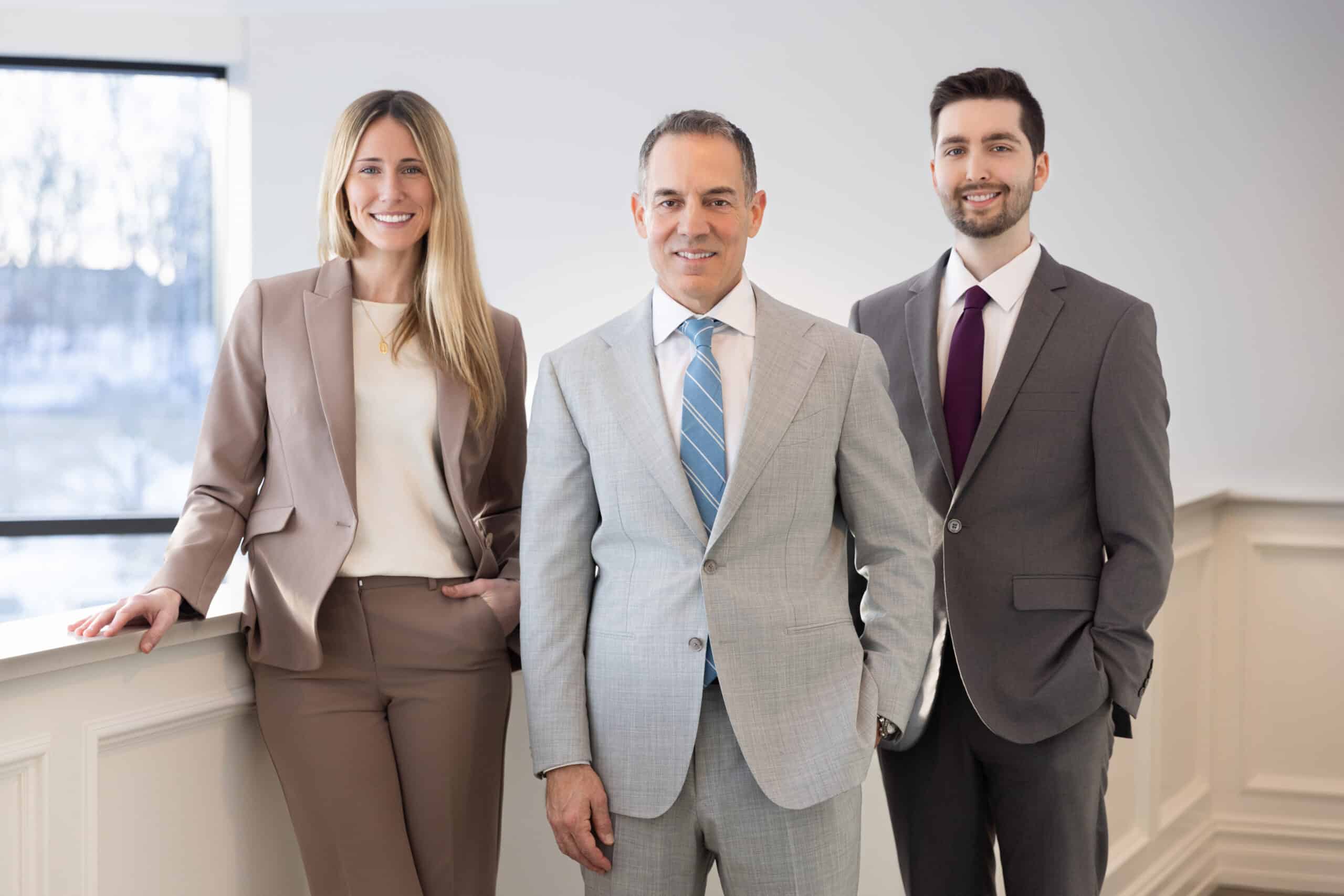
If you were injured in a car accident in Nassau County, we’re ready to help. Consultations are free, and there’s no fee unless we recover money for you. With offices in Elmont, Mineola, and Carle Place, we’re close by and easy to reach.
Reach out today and we’ll walk you through your options and explain exactly where you stand.
$1.5
million
For a client injured in a motor vehicle accident
$1.025
million
for a victim of a drunk driving crash
$975
thousand
For a client injured in a motor vehicle accident
$950
thousand
For a client injured in a motor vehicle accident
$875
thousand
for a client injured while driving for work
$750
thousand
For a knee injury worsened from a car accident
$705
thousand
for a client injured from a rear-end collision
$675
thousand
for a client injured from a low impact rear-end collision


“…Palermo Law really knows their stuff…”
Palermo Law really knows their stuff when it comes to car accidents. I would confidently recommend them to anyone needing guidance.
“…they were on top of everything…”
Palermo worked relentlessly on my car accident case! There was never a need for me to call for follow-up, as they were on top of everything. If you are ever in need of a top notch attorney for a car accident case, this is your place!
“…They help me get the best amount possible and it was fast!…”
Palermo Law helped me with my car accident, they work with me during this hard time and tried to make it smooth as possible because I was pregnant as well. They help me get the best amount possible and it was fast! I can't thank Michael Enough!
“…Would not hesitate to use them again…”
Helped me with a car accident. They were great, describing the process, and got the settlement done quickly. Would not hesitate to use them again.
“…simple and stress free…”
Palermo Law makes the whole process of being in a car accident simple and stress free
“…all of my questions and concerns were taken care of…”
I used this law office for my car accident and I’m happy I did all of my questions and concerns was taken care of. I would use Palermo law again if I needed to.
“…the best possible settlement after my motor vehicle accident…”
Steven Palermo’s law firm fought for the best possible settlement after my motor vehicle accident. I’d like to especially thank Danielle for her patience with coordinating appointments and explaining the process of MVA cases, to Courtney for keeping track of all of t...
Steven Palermo’s law firm fought for the best possible settlement after my motor vehicle accident. I’d like to especially thank Danielle for her patience with coordinating appointments and explaining the process of MVA cases, to Courtney for keeping track of all of the fine details on our case, and for asking all the questions that we didn’t even know mattered. I would absolutely recommend Palermo law. So much so that this is my second time using them, but fingers crossed that it will also be the last time needing to.
READ MORE
“…I chose Palermo law and it was the best choice I made…”
After my hit and run in March of 2025 I chose Palermo law and it was the best choice I made. Steve and Courtney have gone above and beyond for me and have always fought for me. Their staff is dedicated and gets back to you in a timely manner. They keep you up to date...
After my hit and run in March of 2025 I chose Palermo law and it was the best choice I made. Steve and Courtney have gone above and beyond for me and have always fought for me. Their staff is dedicated and gets back to you in a timely manner. They keep you up to date with your case and never leave you in the dark. They are accommodating and extremely knowledgeable. I highly recommend Palermo law for your accident needs
READ MORESeek medical attention, report the accident to Nassau County police, gather evidence (photos, videos, witness information), exchange insurance details, and promptly consult a Nassau County car accident attorney.
In Nassau County, you have three years from the date of your accident to file a personal injury claim. However, deadlines for insurance and no-fault benefits are shorter, making timely consultation with an attorney essential.
Yes. Even minor accidents may cause delayed injuries or disputes over liability. Hiring an experienced Nassau County attorney protects your rights and ensures you receive fair compensation.
Our Nassau County car accident attorneys work on a contingency fee basis, meaning you owe nothing upfront. We only collect a fee if we successfully recover compensation for your case.
Generally, the at-fault driver’s insurance covers your vehicle damages. If disputes arise or the other driver is uninsured, your collision or uninsured motorist coverage may apply. An attorney can guide you through this process.
You may recover medical expenses, vehicle repairs, lost wages, pain and suffering, emotional distress, and future medical costs. An experienced Nassau County car accident attorney will ensure all potential damages are pursued.
Liability is determined by evidence such as police reports, eyewitness statements, accident reconstruction experts, and physical evidence. A knowledgeable attorney thoroughly investigates to prove liability effectively.
Most Nassau County car accident cases settle out of court. However, if fair settlement negotiations fail, our firm is fully prepared and experienced to represent you effectively at trial.
Most cases settle within several months to a year. Complex claims or serious injuries can take longer. Hiring a reputable Nassau County car accident attorney can expedite the process and maximize your settlement.
To schedule your free, no-obligation consultation with Palermo Law, contact our offices directly. We offer multiple convenient Nassau County locations, flexible appointment hours, and personalized guidance for your case.