




Rear-End Accident Lawyers Serving All of Long Island
- $75+ millionRecovered Settlements and verdicts across all practice areas
- 25+Years Handling personal injury cases on Long Island
- 450+Reviews Five-star Google reviews from clients across Long Island
- 9Offices Across Nassau and Suffolk Counties
Rear-end crashes are the most common accidents on Long Island roads. Stop-and-go traffic on the LIE. A light on Sunrise Highway. A line of cars waiting to turn, and a driver behind you who looked down for just a second. You did everything right, and you’re the one who got hurt.
Here is the most important thing to know before an adjuster calls: the law is on your side. In New York, a driver who hits a stopped or slowing vehicle from behind is presumed negligent. It’s their job to explain the crash. It isn’t your job to prove it.
That doesn’t mean the insurance company will make it easy. They know they can’t argue their driver was paying attention, so they argue everything else. You stopped short. Your injuries are exaggerated. The damage was too minor for anyone to be hurt.
We know how to answer every argument
We see these arguments in almost every rear-end case we handle, and we know how to answer every one of them.

Rear-end collisions follow the same insurance rules as any other crash. No-fault, the serious injury threshold, and how a case gets valued are all covered on our Long Island car accident lawyer page. What follows is what makes a rear-end case different.
Why Rear-End Accident Victims Choose Palermo Law
Rear-end cases look simple from the outside. Insurance companies count on that. When their driver is clearly at fault, they call quickly, they sound helpful, and they put a number on the table before you know what your injuries are. People take those offers because the case seemed simple. That is the mistake we help our clients avoid.
Every case we handle is guided by three principles.
| 1 | Maximize Your Recovery
In a rear-end case, the fight usually isn’t over who caused the crash. It’s over what your injuries are worth. We work with your treating physicians and, where needed, medical and economic experts to document the full impact of your injuries, including future care and lost earning capacity. The insurance company wants to talk about the damage to your car. We make them talk about the damage to you. |
| 2 | Minimize Your Stress
After a crash, your job is to heal. Our job is everything else. We handle the insurance calls, the no-fault paperwork, and the treatment authorizations, and we keep you updated so you always know where your case stands. You won’t spend your recovery chasing forms or repeating your story to an adjuster whose job is to use it against you. |
| 3 | Resolve Your Case Efficiently
Insurance companies delay because delay works for them. Treatment gaps appear, people get frustrated, and they take less. We don’t let files sit. We preserve the vehicle data before the cars are repaired, we send the demand when the medical picture supports it, and we prepare every case as if it’s going to a jury. That preparation is what produces fair offers without unnecessary delay. |
Case Result
$705,000 for a Rear-End Crash the Insurer Called “Pre-Existing”
Our client was rear-ended in a company vehicle and needed cervical spine surgery, but the at-fault driver carried only a $25,000 policy. We recovered that limit in full, then identified SUM coverage on the employer’s policy and defeated the defense’s pre-existing condition argument to secure an additional $680,000.
Who Is at Fault in a Rear-End Accident in New York?
The rear driver, almost always, and the law presumes it.
New York’s highest court has held that a rear-end collision with a stopped or stopping vehicle establishes a prima facie case of negligence against the rear driver. The case that says so, Tutrani v County of Suffolk, came out of this island. In plain terms, the collision itself is the evidence. You don’t have to prove the rear driver did anything wrong. They have to come forward with a non-negligent explanation, and if they can’t, they’re liable.
The statute behind it is Vehicle and Traffic Law § 1129(a). Every driver must leave enough room to stop for the vehicle ahead, accounting for speed, traffic, and road conditions. Slowing traffic isn’t an excuse. It’s exactly what the statute requires a driver to expect.
The law also presumes you did nothing wrong. So when you’re hit from behind at a light, your case starts with the other driver presumed negligent and you presumed not. The insurance company spends the rest of the case trying to move you off that starting position. We don’t let them.
In the right case, we take it a step further and ask the court to decide fault before trial. When that motion is granted, the defendant is at fault as a matter of law, the only question left is what your case is worth, and interest starts running against the carrier. Steve has written about how we build rear-end cases and when we move for summary judgment, and it explains why these cases settle differently once liability is locked in.
The “You Stopped Short” Defense
The most common thing a rear driver says is that you stopped short. On its own, that defense usually goes nowhere.
The Second Department, the appellate court that decides Long Island cases, reaffirmed the rule in October 2025. A stop that’s foreseeable under the traffic conditions, even a sudden one, has to be anticipated by the driver behind. Stop-and-go traffic on the LIE. A yellow light on Sunrise Highway. A car braking for a left turn on Jericho Turnpike. Those stops are the reason following distance exists. A driver who couldn’t stop in time was following too closely, going too fast, or not looking.
The explanations that can actually rebut the presumption are narrow. Brake failure with no warning. Skidding on a road condition the driver couldn’t have anticipated. Being cut off by a third car that made stopping impossible. Each one has to be proven with real evidence, not just asserted.
This is where the vehicle’s own data matters. Most cars on the road today record speed and brake application in the seconds before a crash. If the data shows the rear driver never touched the brake, the stopped-short story falls apart. They weren’t surprised by your stop. They never saw it. The question becomes why, and that’s when phone records come in. It’s why so many of these cases connect to distracted driving.
Chain-Reaction Rear-End Accidents
Chain reaction crashes involve three or more vehicles, and they’re more complicated. Each driver blames someone else. The question is the order of the impacts, and the physical evidence usually answers it.
If you were stopped and an impact from behind pushed you into the car ahead, you have a defense, and the driver who started the chain is generally responsible for the damage to both ends of your car. If the insurance company tries to pin the front impact on you anyway, and they will try, the damage patterns, the vehicle data, and the witnesses establish the sequence. That’s why the cars need to be documented before anyone repairs them.
New York’s pure comparative negligence rule applies across the chain. Fault gets divided among the drivers who contributed, and even a driver with a share of fault can still recover. Their compensation is reduced by their percentage, not eliminated.
The “Minor Damage” Argument
Rear-end cases come with a fight most other crashes don’t. The insurance company points at your bumper and says nobody gets hurt in a crash that small.
A repair estimate is not a medical record. Bumpers are designed to absorb low-speed impacts and spring back, so a car can look nearly untouched while your neck and back absorbed the force the bumper didn’t. Whiplash, herniated discs, and shoulder injuries from bracing against the wheel show up in crashes the carrier calls minor. They don’t always show up in the body shop photos. They show up on the MRI.
That doesn’t make them less real, and it doesn’t make them worth less. We build these cases on the medical evidence: consistent treatment from the first week, imaging that documents the injury, and physicians who connect it to the crash. The insurance company wants your case judged by photos of your bumper. We make sure it’s judged by the medicine.
What a Rear-End Settlement Depends On
In most accidents, you have to prove the other driver caused the crash before you can talk about anything else. In a rear-end case, the law does most of that work for you. What’s left is proving what your injuries are worth, and that’s exactly where the insurance company puts its effort.
The value of your case comes down to a few things. Whether your injuries meet New York’s serious injury threshold. How consistently you were treated and how well your injuries are documented. What the crash cost you in lost wages. Whether any of it is permanent.
Whiplash is the injury these crashes are known for. It’s real, it can be lasting, and it’s the injury insurance companies discount the hardest. That’s why the medical record matters more in these cases than almost any other kind. A well-documented injury supported by consistent treatment gives us something the adjuster can’t argue with.
No attorney can honestly tell you what your case is worth before the medical picture is complete. Be skeptical of anyone who quotes you a number upfront. What we can tell you is that a documented injury, steady treatment, and a case that’s ready for trial is what produces a fair result. How case value gets evaluated is covered on our Long Island car accident lawyer page.
What to Do After a Rear-End Accident
A few steps matter most in the first days, and they’re specific to this kind of crash.
| 1 | Photograph both vehicles before anything gets repaired
Get the other car’s front end too. In a chain reaction, photograph every car in the line. The damage pattern is the evidence of who hit whom. |
| 2 | See a doctor even if you walked away feeling okay
Rear-end injuries are exactly the kind that stiffen up over the following days, and a gap between the crash and your first visit is the first thing the insurance company will use against you. |
| 3 | Don’t accept a quick settlement on the property damage call
Adjusters move fast on rear-end claims precisely because their driver is at fault. The early offer prices your bumper, not your injuries. |
| 4 | File your no-fault application within 30 days
Benefits run through the policy of the car you were in regardless of fault, and the deadline is unforgiving. The details are on our no-fault insurance page. |
And if the driver who hit you took off, you still have a path to recovery. Our hit and run page covers how those cases get paid.
Free Consultation
Rear-ended on Long Island?
The law presumes the other driver was negligent. Don’t let an adjuster talk you out of it. Your consultation is free, and there’s no fee unless we win.

Notable Rear-End Accident Case Results
$950
thousand
For a client injured in a motor vehicle accident
$705
thousand
for a client injured from a rear-end collision
$675
thousand
for a client injured from a low impact rear-end collision
$600
thousand
for back and neck injuries from a rear-end collision
$600
thousand
For a plaintiff who was rear-ended by a landscaping truck
$500
thousand
for a back injury caused by a rear-end collision
$385
thousand
A truck struck the plaintiff's vehicle in the rear, while he was stopped at a stop sign.
$350
thousand
for a couple who suffered back injuries from a rear-end collision

Contact a Long Island Rear-End Accident Attorney
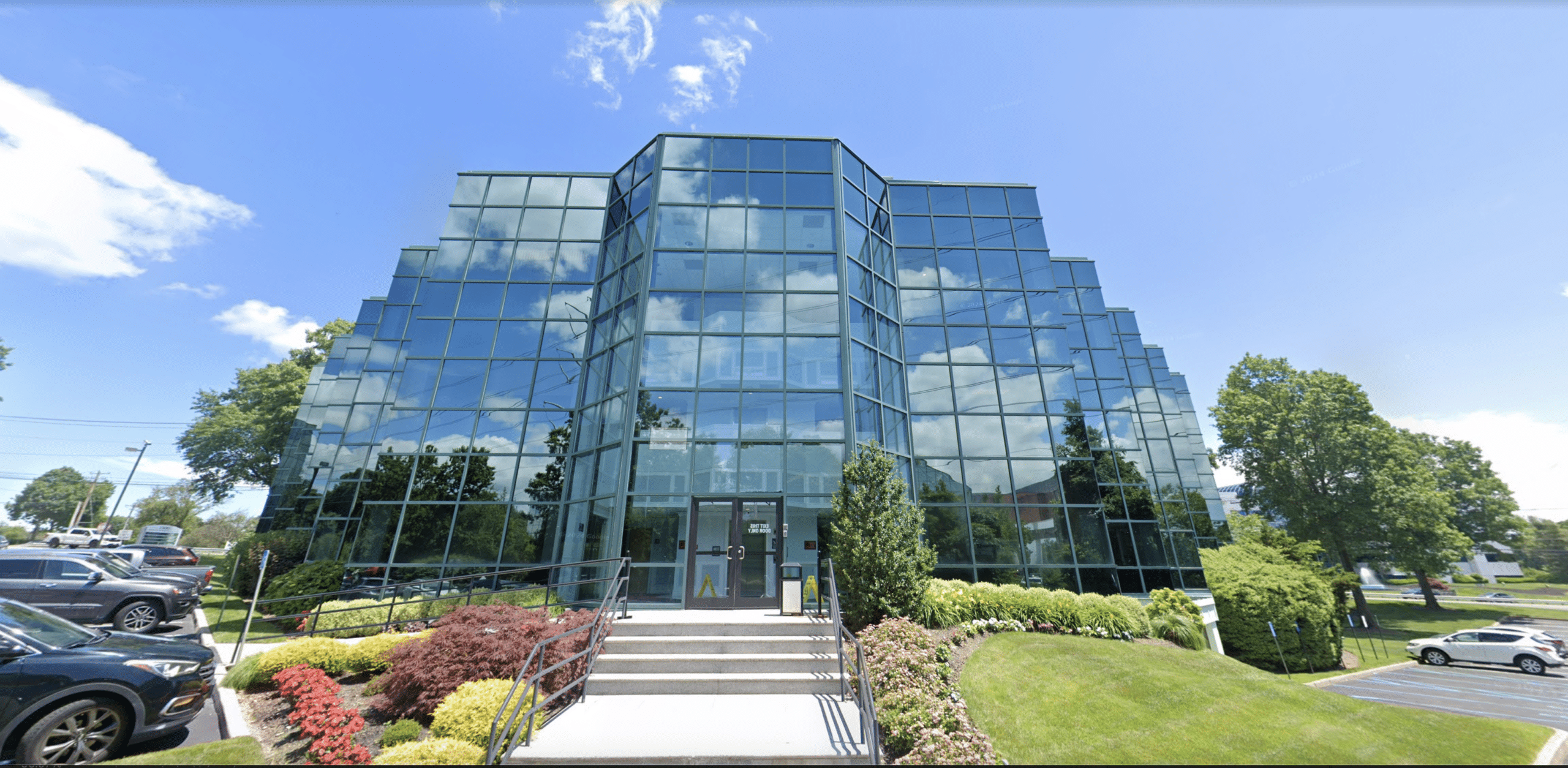
When you’re ready to talk, we’re here. We offer a free, no obligation consultation at any of our 9 offices across Long Island, and we’re happy to come to you if you’re unable to travel. We have been fighting for Long Island families for over 25 years.
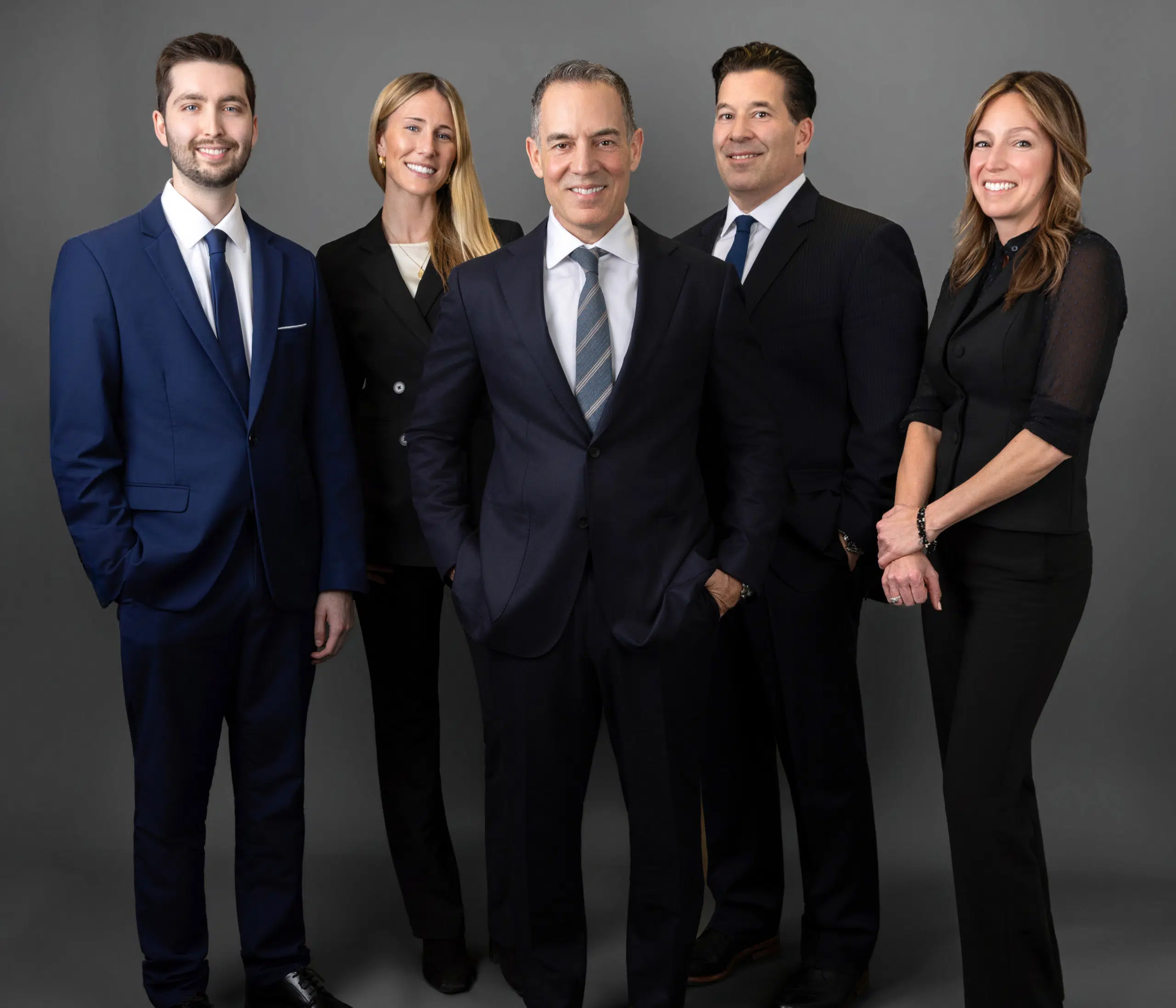
We’ll give you our honest assessment and tell you exactly how we’d approach your case. Our record speaks for itself. Our team has never represented an insurance company and never will. When you call Palermo Law, you’ll know quickly why so many Long Island families have trusted us since 1994.
Helping the Injured Throughout Long Island

“…they were on top of everything…”
Palermo worked relentlessly on my car accident case! There was never a need for me to call for follow-up, as they were on top of everything. If you are ever in need of a top notch attorney for a car accident case, this is your place!
“…Amazing staff. Always professional…”
Amazing staff. Always professional. Stayed in contact and given updates in a timely manner. Satified and will continue using this office and recommended to others. Work hard
“…Palermo Law was absolutely outstanding…”
The team at Palermo Law was absolutely outstanding. They consistently followed up to check on my comfort and recovery, and handled my vehicular accident case quickly and seamlessly. The entire process was smooth and stress-free thanks to their professionalism and sup...
The team at Palermo Law was absolutely outstanding. They consistently followed up to check on my comfort and recovery, and handled my vehicular accident case quickly and seamlessly. The entire process was smooth and stress-free thanks to their professionalism and support. I highly recommend them.
READ MORE
“…They worked hard to reach a fair settlement…”
I had a great experience working with this lawyer on my case. They were very professional, kept me informed throughout the entire process, and worked hard to reach a fair settlement. I was very happy with the outcome and really appreciated how responsive and supporti...
I had a great experience working with this lawyer on my case. They were very professional, kept me informed throughout the entire process, and worked hard to reach a fair settlement. I was very happy with the outcome and really appreciated how responsive and supportive the attorney and staff were. I would definitely recommend them to anyone who needs legal help.”
READ MORE
“…Everybody was so professional and empathetic…”
I had an amazing experience working with Palermo Law for my car accident case. Everybody was so professional and empathetic. They explained everything every step of the way and advised me what would be best for my specific situation. I greatly appreciate everything e...
I had an amazing experience working with Palermo Law for my car accident case. Everybody was so professional and empathetic. They explained everything every step of the way and advised me what would be best for my specific situation. I greatly appreciate everything everyone at Palermo Law did for me and highly recommend to anyone who needs legal representation.
READ MORE
“…Such a great firm! Highly recommend to all!…”
Such a great firm! Highly recommend to all! They are super professional, show that they care and I am incredibly grateful for their outstanding work and dedication. They made me feel extremely supported and heard during an incredibly stressful time.